Winter clothes for your child
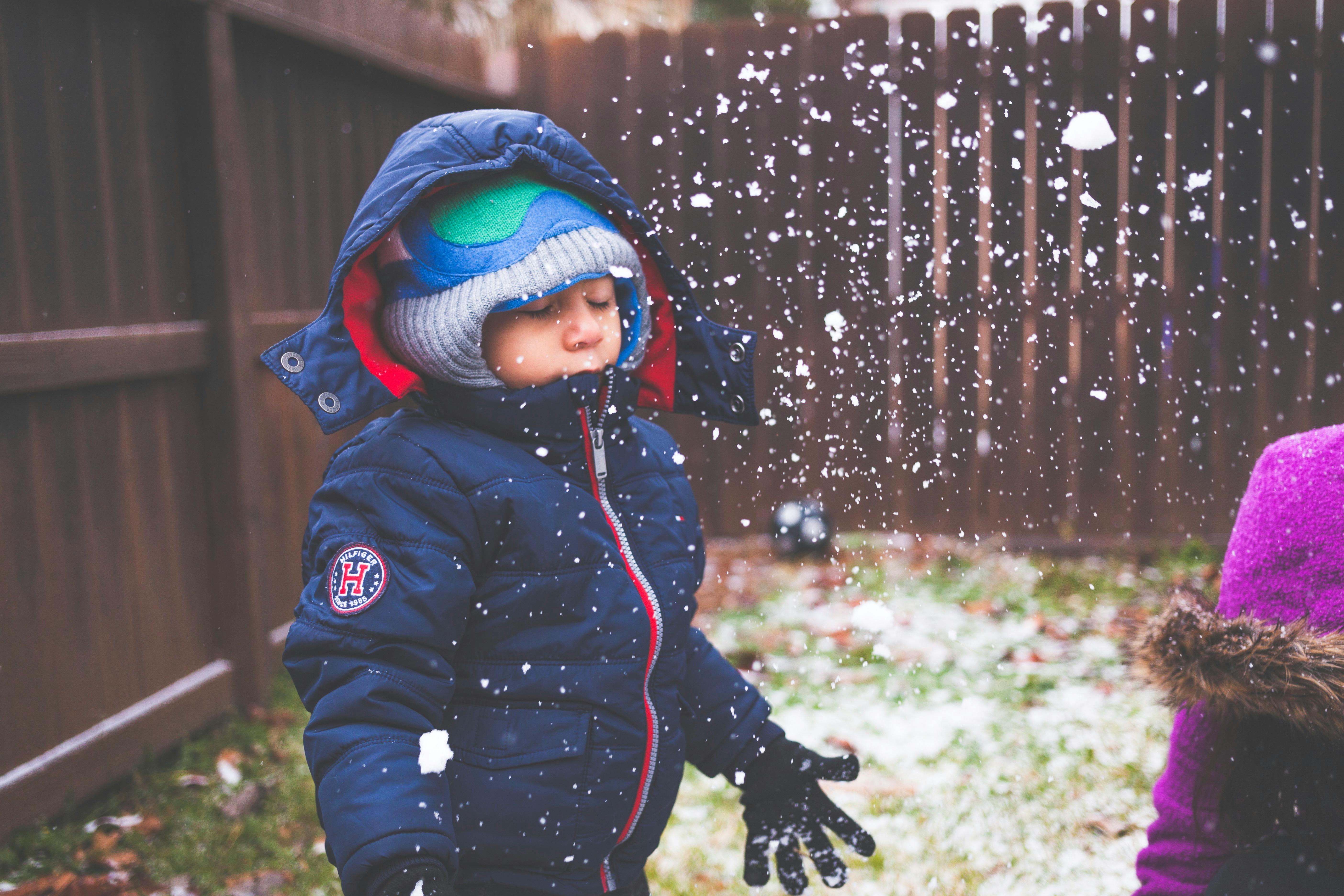
The joys and subsequent confusion of parenthood begin with the birth of our newborn baby when we who were previously intelligent adults now become overwhelmed with even the simplest of decisions. Suddenly, dressing someone smaller than the length of our arm seems too complicated to figure out; it’s a rite of passage we must all face. And, luckily for our children, we seem to merge being able to appropriately clothe them through all stages of development and throughout the seasons.
From newborn onesies to one-piece sleepers, baby clothing,
at the core of its design, must successfully merge form with function. But when
it comes to winter baby clothing, another level of need is added. Winter baby
clothing must protect babies from the elements while still maintaining its
comfort and visual appeal. Winter baby clothing comes in a variety of styles
and colors from which to choose. Be sure to keep materials soft and
comfortable. And be wary of complicated fasteners that can make dressing a hassle
and baby uncomfortable.
When it comes to keeping your baby warm and dry in harsh
weather, the key is the layering of winter baby clothing. Begin with an onesie
that provides a first layer of protection and keeps heavier material away from
the baby's sensitive skin. Over the onesie, as a second layer of winter baby
clothing is the baby’s outfit. Keep it simple because a heavier layer is still
to come for outdoor wear, keep this second layer soft and uncomplicated, such
as a one-piece sleeper. If this particular outfit has feet then you can skip
the socks; if not, put the baby in warm socks that extend past the ankle.
The final layer of winter baby clothing is that of outdoor
wear. A traditional winter coat and gloves may be great for older babies, but
for younger babies, you’re best to go with a one-piece winter bunting that zips
up the front and covers the baby's feet and hands. There is also a hood
attached although you still want to include a hat that fits securely around
baby’s ears.
Of course, the material and weight of the winter baby
clothing you choose depends largely on the climate in which you live. For snowy
regions, a heavier bunting with a moisture-retardant outer layer works best.
For milder climates, a fleece material may work well during winter months. Be
mindful of using too heavy a material; it is important that your baby not
become overheated.
You can find baby winter clothing in a variety of locations
including large retail stores, smaller boutiques, and online through a series
of reputable retailers.
The joys and subsequent confusion of parenthood begin with the birth of our newborn baby when we who were previously intelligent adults now become overwhelmed with even the simplest of decisions. Suddenly, dressing someone smaller than the length of our arm seems too complicated to figure out; it’s a rite of passage we must all face. And, luckily for our children, we seem to merge being able to appropriately clothe them through all stages of development and throughout the seasons.
From newborn onesies to one-piece sleepers, baby clothing,
at the core of its design, must successfully merge form with function. But when
it comes to winter baby clothing, another level of need is added. Winter baby
clothing must protect babies from the elements while still maintaining its
comfort and visual appeal. Winter baby clothing comes in a variety of styles
and colors from which to choose. Be sure to keep materials soft and
comfortable. And be wary of complicated fasteners that can make dressing a hassle
and baby uncomfortable.
When it comes to keeping your baby warm and dry in harsh
weather, the key is the layering of winter baby clothing. Begin with an onesie
that provides a first layer of protection and keeps heavier material away from
the baby's sensitive skin. Over the onesie, as a second layer of winter baby
clothing is the baby’s outfit. Keep it simple because a heavier layer is still
to come for outdoor wear, keep this second layer soft and uncomplicated, such
as a one-piece sleeper. If this particular outfit has feet then you can skip
the socks; if not, put the baby in warm socks that extend past the ankle.
The final layer of winter baby clothing is that of outdoor
wear. A traditional winter coat and gloves may be great for older babies, but
for younger babies, you’re best to go with a one-piece winter bunting that zips
up the front and covers the baby's feet and hands. There is also a hood
attached although you still want to include a hat that fits securely around
baby’s ears.
Of course, the material and weight of the winter baby
clothing you choose depends largely on the climate in which you live. For snowy
regions, a heavier bunting with a moisture-retardant outer layer works best.
For milder climates, a fleece material may work well during winter months. Be
mindful of using too heavy a material; it is important that your baby not
become overheated.
You can find baby winter clothing in a variety of locations including large retail stores, smaller boutiques, and online through a series of reputable retailers.

Every positive comment will be appreciated.
ReplyDelete